Metro in India a 'Silent Revolution' transforming Urban Mobility and Society
Published: Mar 12, 2026
By TIOLCorplaws News Service
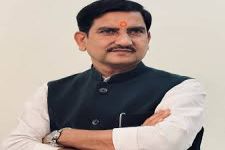
NEW DELHI, MAR 12, 2026: TOKHAN Sahu, Union Minister of State for Housing and Urban Affairs, today felicitated Anil Marwah, a passionate Delhi Metro enthusiast who has achieved a remarkable personal milestone of riding the first train on the opening day of every newly inaugurated Delhi Metro corridor since the system began operations on 24 December 2002. The felicitation took place in the presence of Dr. Vikas Kumar, Managing Director of the Delhi Metro Rail Corporation (DMRC) in New Delhi.
For the past 24 consecutive years, Marwah has faithfully continued this unique personal tradition, making him one of the most dedicated followers of the Delhi Metro's journey. Recalling his very first metro ride in 2002, he shared how the launch of the Delhi Metro marked a historic turning point in urban transportation in India. He noted that the Metro has significantly enhanced connectivity across the city and has greatly eased the challenges of road-based commuting, particularly at a time when people often had to wait long hours for buses. He also highlighted that the Metro's punctuality and convenience have helped reduce travel-related stress for millions of commuters, making it one of the most reliable and efficient modes of public transport.
Appreciating Marwah's remarkable dedication, Tokhan Sahu said that such stories reflect the deep connection citizens have developed with the Delhi Metro. He described the metro system as a transformative urban mobility solution and a powerful symbol of India's modern infrastructure development. He further noted that the project was initiated during the tenure of the National Democratic Alliance (NDA) government led by former Prime Minister Atal Bihari Vajpayee, whose visionary leadership laid the strong foundation for modern metro rail systems in India. That vision, he said, opened a new chapter in urban mobility and paved the way for the rapid expansion of metro networks across the nation.
Speaking about the transformation of public transport in Delhi over the last two decades, Marwah highlighted how the Metro has become an integral part of daily life for millions of citizens. He also appealed to Sahu to encourage senior government officials, including secretaries, to travel by metro to experience its efficiency and convenience firsthand. He commended the Government's efforts to provide a safe, reliable and accessible mode of transport for people especially women travelling to workplaces, schools and colleges.
Expressing gratitude to Marwah for sharing his inspiring journey, Sahu said that his unwavering commitment over the past 24 years demonstrates the pride and trust people place in public transport systems.
Highlighting India's rapid progress in urban mobility, Sahu said, "I feel proud to share that in the last decade, India has made remarkable progress in expanding its metro network. Today, the country has the third-largest metro network in the world, with over 1,143 kilometres operational and around 936 kilometres under construction across 29 cities. In 2014, metro services were available in only five cities. Today, nearly 11.5 million passengers travel by metro every day. This is truly a remarkable story of progress and public trust."
Sahu said that under the leadership of Prime Minister Narendra Modi and with the support of double-engine governments, metro networks across the country are becoming cleaner, safer, more reliable and faster. He added that the Government is continuously working to expand metro connectivity, strengthen urban mobility and make daily commuting easier for millions of citizens. Emphasizing the importance of public participation, Sahu noted that greater use of public transport can help reduce traffic congestion, protect the environment and contribute to building cleaner, smart and sustainable cities for the future.
During the interaction, it was acknowledged that the inception of the Metro in India represents a silent revolution not only in urban mobility but has also triggered several positive societal changes. The Metro has contributed to improving civic sense and self-discipline among commuters, enhanced women's safety and empowerment through reliable public transport, and enabled easier access to education and workplaces for millions. Its impact goes far beyond transportation, shaping a more connected, inclusive and progressive urban society.